PropList Blog
17th October 2025
So, the UK needs to reach Net Zero by 2050 – it’s not just an aim; it’s a legally binding commitment. This means that energy efficiency is no longer a “nice-to-have” in commercial property – it’s a regulatory requirement.
In the UK, commercial properties are subject to regulations surrounding Energy Performance Certificates (EPCs), and these regulations are being tightened. Understanding when you’re legally required to have one (or not) and how the landscape is changing is super important, whether you’re a landlord, tenant, investor, or advisor.
With the UK government estimating an increase of around 75% in the proportion of rented commercial property covered by these requirements by 2030, it’s time to ask: When exactly do you need one for a commercial property, when are you exempt, and what are the risks if you don’t comply? Today we’re breaking it all down in plain English, so you can stay compliant, protect your investment, and plan for what’s ahead.
What is a Commercial EPC?
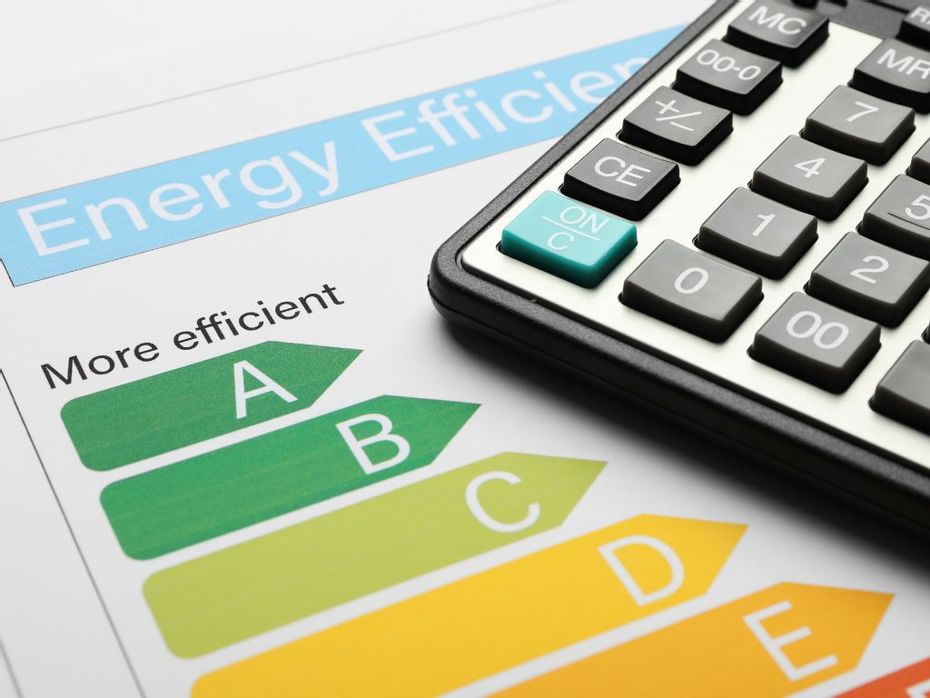
A commercial EPC (sometimes called a non-domestic EPC) measures a building’s energy efficiency. This rating system was created by the UK government in 2008 and grades properties on a scale from A (very efficient) to G (very inefficient). It also includes a handy list of recommendations for energy efficiency improvements.
Importantly, for non-domestic properties, the energy rating is based on an “asset” assessment, which means that it considers how the building could perform, taking into account its structure, fabric, heating, lighting, and so on, rather than how tenants actually use it. This is because an EPC is designed to provide insights into the potential costs of heating and lighting a property, as well as its expected carbon emissions, instead of simply evaluating what’s being used/done.
Once issued, a certificate stays valid for 10 years. And because EPCs have become tied to legal letting standards, they’re now a key part of commercial property ownership and management.
When You Need a Commercial EPC
In practice, if you’re marketing or transacting on a commercial building, an EPC is almost always required. Here are the specifics:
- When building a commercial property – Newly built commercial properties must have an EPC before they can be sold or let.
- When selling a property – If you put your commercial property on the market, you’ll need to provide a valid commercial energy performance certificate to prospective buyers.
- When renting out a commercial property (or part of it) – Landlords must supply tenants with an EPC with a minimum EPC rating when leasing out commercial space.
- When making major changes – If you renovate or make significant changes to a building (e.g. adding new air conditioning systems or mechanical ventilation systems), you’ll likely need a new EPC.
This certificate, proving a property’s energy efficiency levels, must be available to prospective tenants or buyers, and for larger buildings over 500 m² that are frequently visited by the public, it may even need to be displayed. Failing to provide a valid EPC can result in fines ranging from £500 to £5,000, depending on the building’s rateable value.
When You Don’t Need a Commercial EPC
Not every building needs an EPC. If you can prove your building is any of the following, it’s likely exempt:
- Short-term leases – Commercial premises let for fewer than six months (with no renewal clause) usually don’t need an EPC.
- Religious buildings – Churches, mosques and other places of worship are exempt.
- Temporary buildings – Structures intended for use for less than two years.
- Stand-alone small buildings – Detached buildings with a total floor space under 50 m².
- Certain listed buildings – Where compliance would unacceptably alter their character (though this exemption can be tricky, so specialist advice is often needed).
- Buildings scheduled for demolition – Provided the relevant permissions are in place.
- Industrial sites, workshops or a non-residential agricultural building – Which doesn’t use much energy.
Current EPC Standards
Currently, under the UK’s Minimum Energy Efficiency Standards (MEES), commercial properties must have a minimum E rating to be legally let. If your building falls into the F or G category, it can’t be rented unless you improve its performance or register an exemption.
The Move Toward EPC B by 2030
The regulations aren’t standing still. Government proposals suggest that by 2030, all rented commercial properties will need to reach EPC Band B (where cost-effective). To get there, a phased approach is being considered:
- 2025 - 2027: Buildings must reach EPC C or register an exemption.
- 2028 - 2030: Final deadline to hit EPC B, with landlords required to have valid EPCs in place two years before enforcement dates.
This shift also comes with tighter enforcement. Exemptions will be reviewed at each window, compliance will become a continuous obligation (not just when granting a new lease), and letting agents may only be allowed to market properties that meet MEES requirements. A central database is expected to track compliance and exemptions, and new fines may apply for non-compliance or even just failing to register updates.
For landlords and tenants, this means acting now rather than waiting. If your property currently sits at an E or D rating, incremental fixes may not be enough. Rather, more comprehensive retrofits could lower your energy costs while making your building far more future-proof.
What Happens If You Fail to Comply?
So, what happens if you have a G EPC rating for commercial property? As is to be expected in the UK, non-compliance with EPC/MEES rules can carry serious consequences:
- Fines – Landlords may face enforcement penalties (which escalate over time if the breach continues).
- Restriction on leasing – Properties rated below the required minimum (F or G) cannot legally be let unless an exemption applies.
- Reduced marketability – Buildings that don’t (or even only meet minimum energy performance requirements) are less attractive to tenants and may see lower valuations.
- Cost of delayed upgrades – Since most commercial properties will need to be a B rating within five years, it’s likely that postponing energy-efficient improvements will lead to raised costs and can even lead to rushed, suboptimal solutions.
Steps to Ensure EPC Compliance & Stay Ahead
So, it’s clear that, with enforcement tightening and the 2030 target for EPC B on the horizon, the smartest move is to get ahead now. Here are a few tips to help you stay compliant and more:
- Check if a valid EPC already exists – Use the government’s EPC register or request it from the landlord or seller.
- Get a professional assessment – Get an accredited non-domestic energy assessor involved to carry out a full review and issue a certificate.
- Review recommendations carefully – Even if your property meets the minimum today, your EPC will highlight upgrades like insulation, lighting, or air conditioning improvements that could future-proof your property’s energy performance.
- Plan for future standards – If your building is rated E or even D, budget and phase upgrades now with 2027 (C rating) and 2030 (B rating) in mind. Renewable energy sources like solar panels and geothermal or solar heating systems will go a long way to improve your energy efficiency rating.
- Document everything – Keep thorough records of assessments, works carried out, and certificates. If you rely on an exemption, register it properly and renew on time.
- Seek expert advice – EPC and MEES rules can be complex, and exemptions aren’t always straightforward. Legal and energy professionals can help you avoid costly pitfalls.
Commercial EPC Ratings Matter
EPCs don’t just help you avoid trouble – they have real implications and can actually really aid property owners. They help cut running costs, protect property values, and make commercial buildings more attractive to tenants.
For landlords, they’re a regulatory necessity. For tenants, they can affect the quality and affordability of the spaces they occupy. Either way, understanding EPC requirements is part of making smarter, more sustainable property decisions, which we’re in full support of at Proplist.
At PropList, we help landlords, agents, and tenants find the right commercial spaces – and that includes staying ahead of regulatory requirements like EPCs. If you’re buying, selling, or leasing, make sure you know your building’s rating today and what it needs to achieve tomorrow. Ready to find your next commercial property? Browse available spaces now at PropList.
Archives
- All
- May 2026
- Apr 2026
- Mar 2026
- Jan 2026
- Dec 2025
- Nov 2025
- Oct 2025
- Sep 2025
- Oct 2023
- Jun 2023
- May 2023
- Dec 2022
- Apr 2020
- Mar 2020
- Jan 2020
- Sep 2019
- Jul 2019
- Jun 2019
- May 2019
- Apr 2019
- Mar 2019
- Feb 2019
- Jan 2019
- Dec 2018
- Nov 2018
- Oct 2018
- Sep 2018
- Aug 2018
- Jul 2018
- Jun 2018
- May 2018
- Apr 2018
- Mar 2018
- Feb 2018
- Jan 2018
- Nov 2017
- Mar 2017